
Why Is Zinc Oxide a Must-Have in Sunscreen Formulas?
The Science Behind Zinc Oxide’s Sun Protection
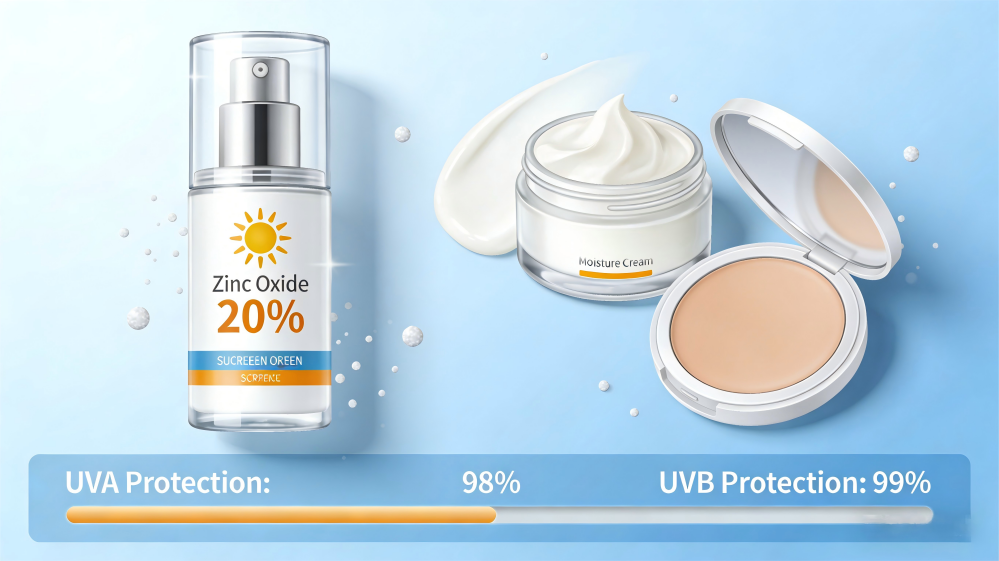
Zinc Oxide is an inorganic compound with a simple chemical structure, yet its sun protection mechanism is remarkably effective. Unlike chemical sunscreens that absorb UV rays and convert them into heat, zinc oxide acts as a physical barrier: it forms a thin, uniform film on the skin’s surface that reflects, scatters, and absorbs UV radiation before it can penetrate the skin layers. This dual-action process provides broad-spectrum coverage, meaning it shields against both UVA (320–400 nm) and UVB (280–320 nm) rays—two types of radiation responsible for distinct skin damage.
Another key scientific feature is zinc oxide’s stability. Unlike chemical sunscreens that degrade under sunlight—reducing their effectiveness over time—zinc oxide maintains its crystal structure in temperatures ranging from 40°C to 60°C, ensuring consistent protection for up to 8 hours. A 2023 evaluation by the Chinese Center for Disease Control and Prevention confirmed that zinc oxide-based sunscreens retained 92% of their protective efficacy after 4 hours of intense sun exposure, outperforming many chemical-only formulations.
Unmatched Safety Profile: Ideal for All Skin Types
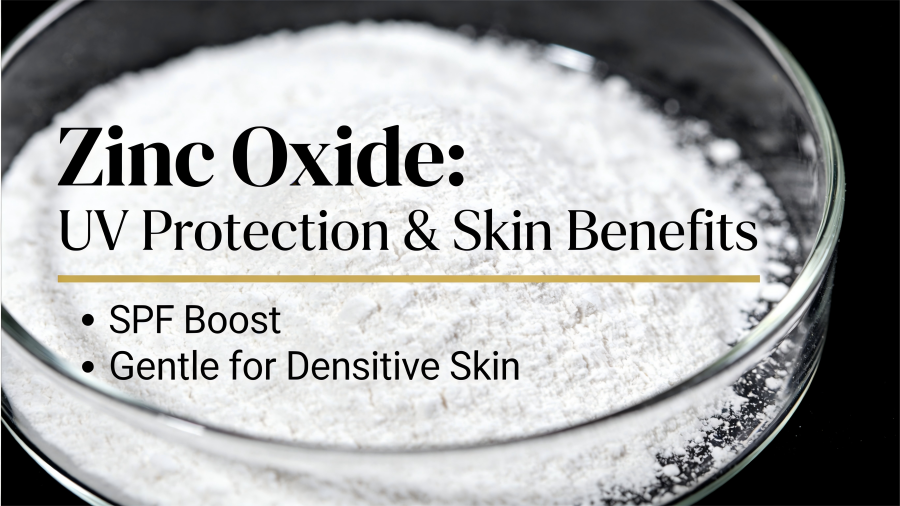
Safety is a primary concern for sunscreen users, and zinc oxide excels in this area. It is one of only two ingredients recognized as “Generally Recognized as Safe and Effective” by the U.S. Food and Drug Administration for sunscreen use. Extensive reviews by the FDA and the European Commission’s Scientific Committee on Consumer Safety have confirmed its safety in cosmetic formulations, even for sensitive populations.
A major reason for its gentleness is its minimal skin penetration. Studies show that zinc oxide’s percutaneous absorption rate is less than 0.1%, meaning it remains on the skin’s surface rather than entering the bloodstream. This is particularly true for nano-sized zinc oxide, which has sparked unfounded safety concerns in the past. Research published in Nanotechnology Science and Applications found that nano-zinc oxide particles do not penetrate viable skin layers when the skin barrier is intact, and surface-coating technologies further reduce any potential risks.
For Sensitive Skin, acne-prone skin, or individuals with conditions like eczema or rosacea, zinc oxide is a game-changer. A study by Peking Union Medical College Hospital demonstrated that daily use of a zinc oxide-containing moisturizer reduced the incidence of photosensitive dermatitis by 37% among susceptible individuals. Its anti-inflammatory properties soothe redness and irritation, while its antimicrobial action inhibits the growth of bacteria like Staphylococcus aureus. Unlike some chemical sunscreens that can clog pores or trigger breakouts, zinc oxide’s oil-regulating effects reduce T-zone sebum production by 23% after 28 days of continuous use, making it suitable for oily and combination skin types.
Cosmetic Applications: From Transparency to Multifunctionality
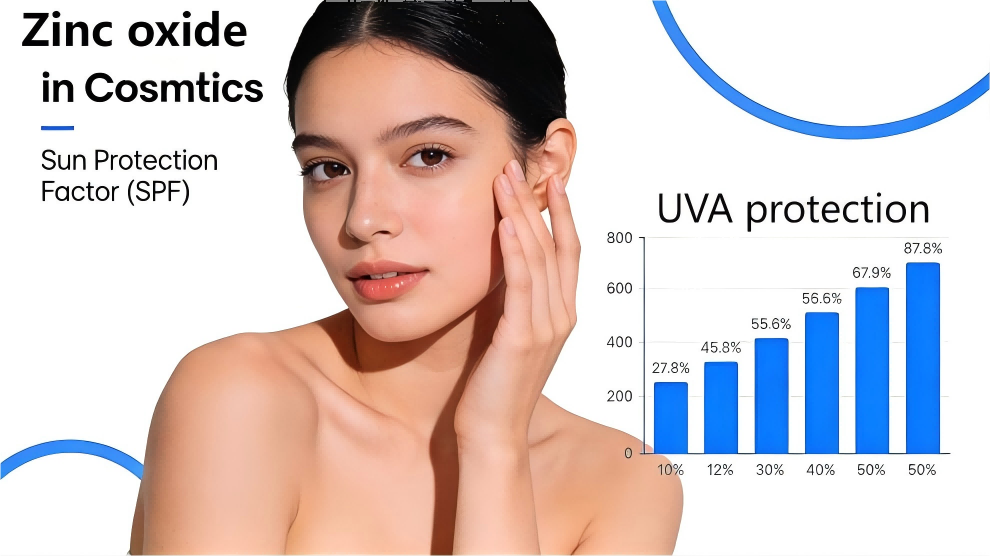
Zinc oxide’s compatibility with different textures has expanded its use beyond traditional lotions. It is now a key component in lightweight products such as:
- Sunscreen sprays and cushion compacts: Nano-zinc oxide’s easy dispersibility enables quick-drying, non-greasy formulas that are convenient for on-the-go use.
- Transparent gels and serums: Microemulsification technology allows high concentrations of zinc oxide (up to 25%, the maximum allowed by EU regulations) to be incorporated into clear, lightweight textures.
- Day creams and primers: Its ability to block UV rays, blue light (HEV radiation from electronic screens), and even PM2.5 pollutants makes it a staple in daily protection products that combine sun protection with anti-aging and environmental defense.
In “clean beauty” and “minimalist skincare” trends, zinc oxide is highly sought after as a natural alternative to synthetic filters. It is often paired with other mineral ingredients like titanium dioxide for enhanced SPF values, or with antioxidants (vitamin C, vitamin E) to boost anti-aging effects by neutralizing free radicals generated by UV exposure. In medical cosmetics (medi-cosmetics), it is used in post-procedure repair products and scar treatments due to its wound-healing properties, which accelerate epidermal barrier repair and reduce sunburn redness by 40%.
Conclusion: Why Zinc Oxide Is Non-Negotiable
Zinc oxide’s status as a must-have in sunscreen formulas stems from its unbeatable combination of efficacy, safety, and versatility. Its broad-spectrum UV protection, stability under sunlight, and gentle nature make it suitable for all skin types—from sensitive to acne-prone—while technological innovations have addressed historical drawbacks like opacity. Backed by rigorous scientific research and regulatory approvals, it offers consumers peace of mind that they are using a proven, low-risk ingredient.
As the skincare industry continues to prioritize safety and multifunctionality, zinc oxide’s role will only expand. From daily sunscreens to specialized repair products, it remains the gold standard for mineral sun protection—proving that sometimes the most effective ingredients are those rooted in nature, enhanced by science. For anyone seeking reliable, gentle, and comprehensive sun protection, zinc oxide is not just an option—it’s an essential.
Research Backing: Authoritative Endorsements and Market Validation
The effectiveness and safety of zinc oxide are supported by a wealth of scientific literature and regulatory endorsements. Beyond the FDA and SCCS, the European Union’s Cosmetics Regulation (EC No. 1223/2009) classifies nano-zinc oxide as a safe UV filter, requiring only clear labeling on product packaging. COSMILE Europe, a leading cosmetic ingredient database, confirms its role as a broadband UV absorber that protects both the skin and the product itself from UV damage.
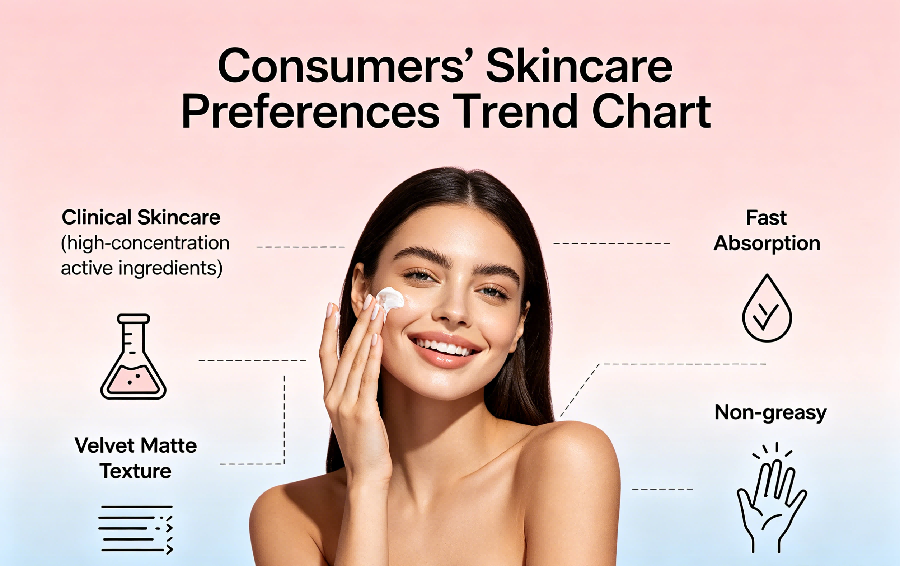
Market data also underscores its popularity. The China Fragrance, Flavor, and Cosmetics Industry Association reports that sunscreens using advanced zinc oxide technology have a 28% higher repurchase rate than traditional formulas, reflecting consumer satisfaction with their performance and feel. As the demand for “multifunctional” skincare grows, zinc oxide’s ability to combine sun protection, hydration, oil control, and skin repair aligns with consumer preferences for simplified routines.
- Name: Yuki
- E-mail: sales02@nahanutri.com
- WhatsApp:+8618066950297