
Can Beta-Arbutin Truly Transform Dull Complexions?
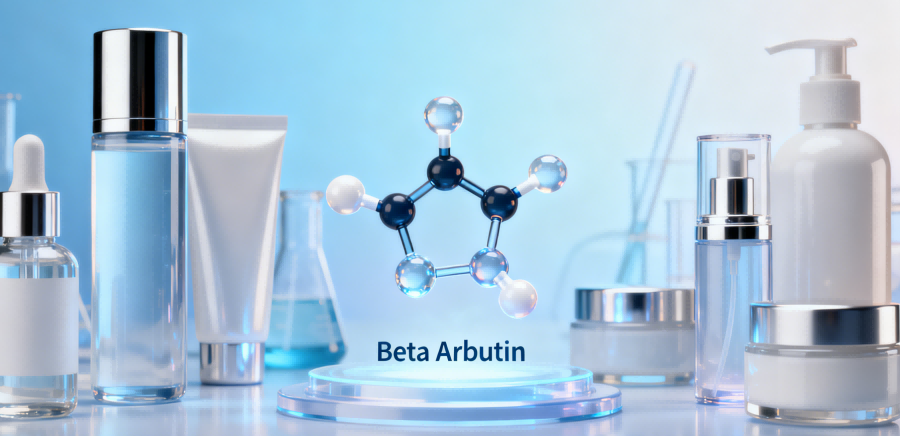
| What Exactly Is Beta-Arbutin? Beta-arbutin, chemically known as hydroquinone glucoside (molecular formula C₁₂H₁₆O₇, molecular weight 272.25), is a glycosylated compound naturally found in plants like bearberry leaves, blueberries, cranberries, and pear tree leaves. It exists as a white to pale yellow crystalline powder that dissolves easily in water, Glycerin, and ethanol—making it highly compatible with most cosmetic formulations. |  |
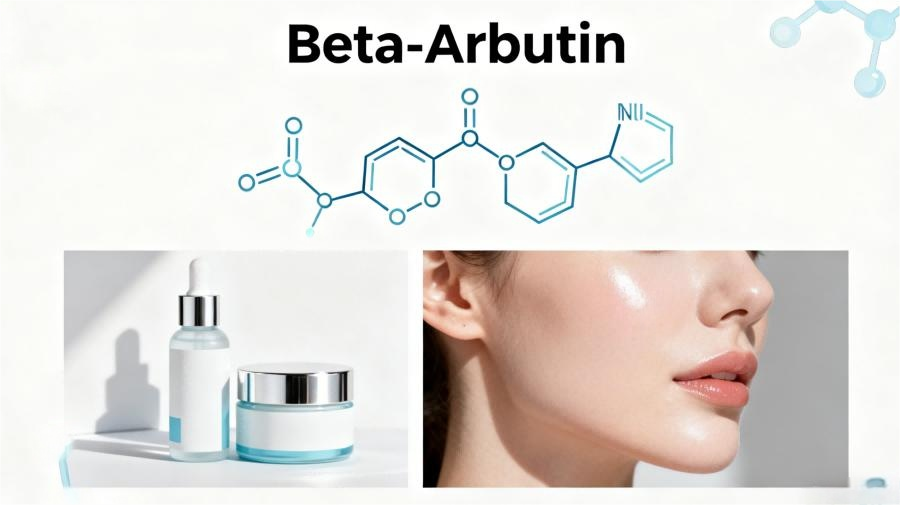
Unlike synthetic brightening agents, beta-arbutin’s structure includes a glucose molecule attached to a hydroquinone core. This unique structure is key to its appeal: the glucose group reduces the irritation potential of hydroquinone (a potent but harsh skin-lightening ingredient) while preserving its brightening activity. It’s one of three main arbutin isomers, alongside alpha-arbutin and deoxyarbutin, but beta-arbutin stands out for its natural abundance, cost-effectiveness, and established safety profile in cosmetic use.
The Science Behind Beta-Arbutin’s Brightening Power
- Tyrosinase Inhibition: The Core Mechanism
Melanin production starts with tyrosinase, an enzyme that converts the amino acid tyrosine into dopa, a precursor to melanin. Beta-arbutin directly blocks this process by inhibiting tyrosinase activity, preventing excess melanin from forming. Unlike some skin-lightening ingredients that destroy melanin cells (which can cause irritation), beta-arbutin simply regulates melanin synthesis without damaging healthy skin tissue.
- Melanin Regulation Beyond Inhibition
Research published in the Journal of Cosmetic Dermatology (2019) confirmed that beta-arbutin does more than just stop melanin production—it also promotes the breakdown of existing melanin deposits and slows melanin cell proliferation. This dual action means it not only prevents new dark spots but also fades existing discoloration from sun damage, hormonal changes, or post-inflammatory hyperpigmentation.
- Anti-Inflammatory and Antioxidant Boosts
Dull skin is often linked to low-grade inflammation and oxidative stress. Beta-arbutin addresses this by acting as an anti-inflammatory agent, reducing redness and irritation that can make skin appear lackluster. It also neutralizes free radicals, protecting skin cells from environmental damage that accelerates dullness and aging.
Key Research Supporting Beta-Arbutin’s Efficacy
A 2019 clinical trial published in the Journal of Cosmetic Dermatology found that participants using a 5% beta-arbutin serum twice daily showed a 23% reduction in dark spot intensity and a 17% improvement in overall skin brightness after 12 weeks. The study noted no significant irritation, even in participants with sensitive skin.
Research conducted by the European Scientific Committee on Consumer Safety (SCCS) in 2023 confirmed that beta-arbutin is safe for cosmetic use at concentrations up to 7%. At this concentration, it delivers maximum brightening effects without cytotoxicity or photosensitivity—dispelling the myth that arbutin-containing products must be used only at night.
A comparative study in International Journal of Cosmetic Science showed that beta-arbutin at 5% is more effective at fading sun-induced dark spots than vitamin C at 10%, with fewer side effects. Participants reported noticeable improvements in skin radiance as early as 4 weeks, with results persisting with continued use.
Product Advantages: Why Beta-Arbutin Stands Out
- Gentle Yet Effective
Unlike harsh brighteners like hydroquinone or high-concentration alpha-hydroxy acids (AHAs) that can strip the skin barrier, beta-arbutin is non-irritating and non-sensitizing for most skin types—including sensitive, dry, and acne-prone skin. Its glucose moiety ensures gradual absorption, minimizing redness or peeling.
- Versatile Compatibility
Beta-arbutin works synergistically with other skincare ingredients, making it easy to integrate into existing routines. It pairs well with vitamin C, niacinamide, hyaluronic acid, and even retinol—enhancing their effects without compromising stability. It’s also stable under UV light and maintains efficacy in a pH range of 5-7, which aligns with the skin’s natural pH.
- Multifunctional Benefits
Beyond brightening, beta-arbutin offers anti-inflammatory properties that soothe redness and acne-related irritation. It also supports wound healing, helping to fade post-acne marks and prevent scarring. This multifunctionality makes it ideal for addressing dullness alongside other concerns like breakouts or sensitivity.
- Proven Safety Profile
Extensive research confirms that beta-arbutin is safe for long-term use. When used at concentrations between 1-7%, it does not produce harmful levels of hydroquinone—with detected levels well below the 20ppm limit set by global cosmetic regulations. The SCCS’s 2023 report further validated its safety, noting no genotoxic or carcinogenic risks.
Applications of Beta-Arbutin in Cosmetics
- Brightening Serums and Essences
Concentrated serums (typically 2-5% beta-arbutin) are the most popular format, as they deliver high concentrations directly to the skin. These products penetrate the epidermis to target melanin at its source, making them ideal for fading dark spots and boosting overall radiance.
- Moisturizers and Creams
Day and night creams infused with beta-arbutin (1-3% concentration) provide continuous brightening while hydrating the skin. They’re perfect for daily use, addressing dullness caused by dehydration and environmental stressors.
- Face Masks
Sheet masks and leave-on masks with beta-arbutin offer intensive brightening treatments. Used 1-2 times weekly, they deliver a concentrated dose of the ingredient to refresh dull, tired skin, leaving it glowing immediately after use.
- Sunscreens and After-Sun Products
Beta-arbutin is increasingly added to sunscreens (0.5-2% concentration) for its antioxidant properties, which complement UV protection by neutralizing free radicals. It’s also effective in after-sun products, soothing sunburn and preventing post-sun darkening.
- Anti-Acne Formulations
Due to its anti-inflammatory and spot-fading properties, beta-arbutin is found in anti-acne serums and gels. It helps fade acne scars while preventing new breakouts from causing discoloration.
Real Results: Can It Truly Transform Dull Skin?
For anyone struggling with dull, uneven skin, beta-arbutin delivers tangible results when used consistently. Users typically report:
- Improved skin radiance within 4-6 weeks of daily use
- Faded dark spots and post-inflammatory marks after 8-12 weeks
- Reduced redness and irritation
- A more even skin tone with continued use
The key to success lies in choosing products with optimal concentrations and pairing them with a sunscreen—since UV exposure can undo brightening effects by triggering melanin production.
Conclusion: Beta-Arbutin—A Reliable Solution for Dull Complexions
Beta-arbutin’s unique blend of natural origin, scientific validation, and gentle efficacy makes it a standout ingredient for transforming dull skin. Unlike fleeting skincare trends, its benefits are rooted in decades of research, with studies confirming its ability to inhibit melanin, fade dark spots, and boost radiance without irritation. Whether you’re dealing with sun damage, hormonal discoloration, or general lackluster skin, beta-arbutin offers a safe, versatile path to brighter, more even-toned skin.
| Name: Yuki sales02@nahanutri.com WhatsApp:+8618066950297 | Yuki | Cosmetic Ingredients Sales Specialist Proficient in the properties, efficacy and compliance of various cosmetic raw materials, I excel at understanding client needs to deliver tailored supply solutions. Committed to supporting beauty brands and manufacturers in product innovation and efficient implementation. |