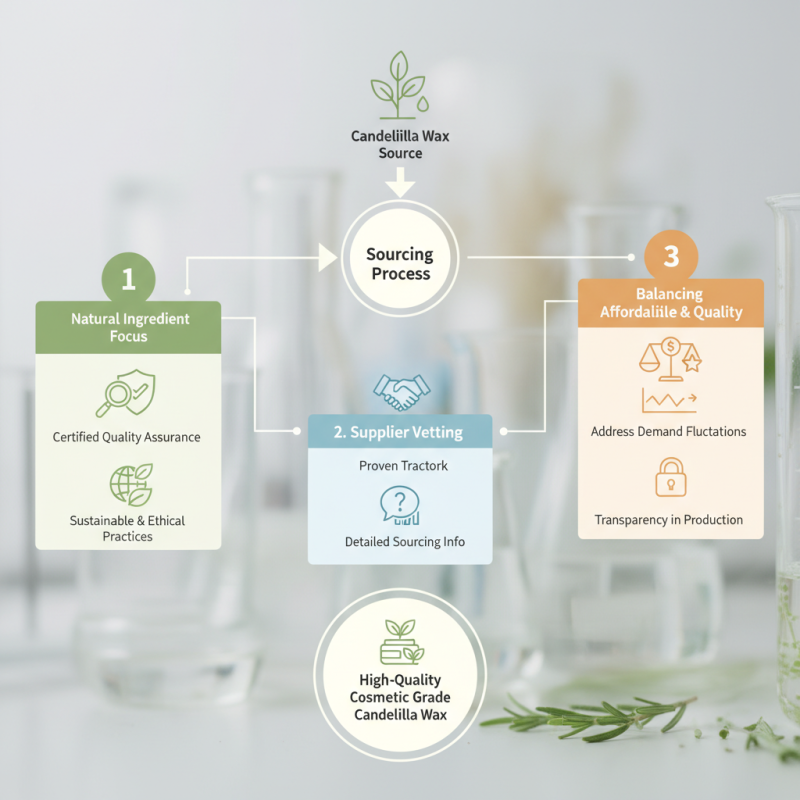
If you're into making cosmetics, sourcing top-notch Cosmetic Grade Candelilla Waxis pretty much a must. It’s a plant-based wax that’s super important for giving your products the right texture and stability. But here’s the thing—not all Candelilla Wax is the same. So, you really want to pay attention to where you’re getting it from.
Understanding how they source this wax is key. It’s a good idea to go with suppliers who focus on natural ingredients and have quality assurance steps in place—that kind of stuff really builds trust. The best companies will often be proud to share their sourcing stories, especially if they’re committed to sustainability and ethical sourcing. When you're choosing a supplier, it’s smart to lean toward those with a solid reputation in the cosmetics world.
Of course, there are some hurdles. For one, demand can spike or drop, which sometimes messes with the quality of the supply. Plus, not every supplier is upfront about how they make or source their wax—I’ve seen cases where this lack of transparency leads to quality issues. That’s why it’s so important to ask lots of questions and do your homework before you buy. Finding that sweet spot between affordability and quality can be tricky, but it’s worth it if you want super reliable Cosmetic Grade Candelilla Wax in your products.
Understanding Candelilla Wax and Its Cosmetic Uses
Candelilla wax, derived from the leaves of the Candelilla plant, is gaining popularity in cosmetics. This plant-based wax creates a protective barrier, making it ideal for moisturizing products. When included in formulations like Candelilla Wax Body Butter, it offers hydration and a smooth finish. Its natural origin appeals to consumers looking for Clean beauty options.
Tips for sourcing high-quality Candelilla wax include checking for purity and certifications. Research suppliers that focus on organic production methods. Transparency is vital; ask about sourcing practices. Inspect the wax's color and texture. A pale yellow hue indicates high quality, while a grainy texture may suggest impurities.
While Candelilla wax is versatile, it may not suit everyone. Some individuals experience sensitivity. Always conduct patch tests before incorporating new ingredients into beauty routines. Candelilla Wax Body Butter can be a nourishing option, but pay attention to how your skin responds. Learning from feedback is essential for optimizing formulations.
Identifying High-Quality Candelilla Wax Characteristics
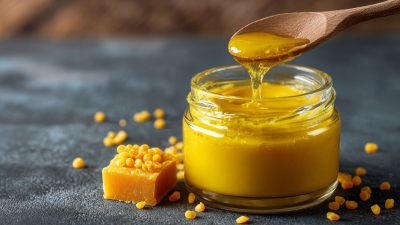
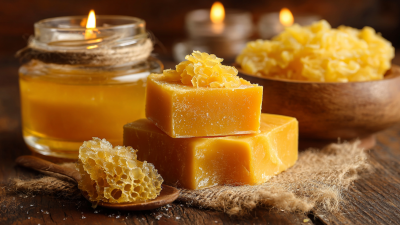
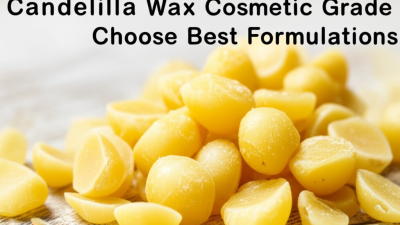
When sourcing high-quality cosmetic grade candelilla wax, it’s important to understand its key characteristics. Pure candelilla wax should have a smooth texture and a natural golden color. Look for wax that is free from impurities. This is crucial for cosmetic formulations. The scent can also provide clues; a neutral or slightly earthy aroma often indicates a high-quality source.
In addition to appearance, the melting point is another important factor. Quality candelilla wax typically melts between 65-70°C. This range makes it suitable for various cosmetic applications, such as creams and balms. Testing for hardness is also essential. A brittle texture may signal an inferior product that could affect the final formulation's stability.
Packaging matters, too. Quality candelilla wax should be stored in airtight containers to avoid moisture and contamination. Transparency from suppliers is key. There should be a clear understanding of sourcing and processing methods. Some suppliers might not provide enough information, which can lead to challenges in quality assessment. Always stand firm on requiring data sheets and certifications for reassurance.
Characteristics of High-Quality Candelilla Wax
Sourcing Candelilla Wax: Key Suppliers and Locations
When sourcing Candelilla wax, identifying key suppliers is crucial. The primary regions for harvesting are Mexico and parts of the southwestern United States. Farmers in these areas use traditional methods to extract wax from the leaves of candelilla plants. It is essential to confirm the quality. High Purity Candelilla Wax is vital for cosmetic formulations, ensuring safety and performance.
Establishing connections with local suppliers can provide direct insight. Visiting harvesting locations might allow you to assess their practices. Understanding their extraction techniques can be revealing. Some suppliers may not prioritize sustainability, which can affect quality. Ethical sourcing practices can enhance your products’ value.
Testing samples before committing is wise. Lab analyses can help verify the purity level. You may find inconsistencies among batches. It's beneficial to cultivate relationships with suppliers who maintain rigorous quality controls. This can lead to a more reliable supply chain. Regular communication fosters transparency and trust, which is necessary in sourcing high-quality materials.
Evaluating Sustainability and Ethical Sourcing Practices
Sourcing high-quality candelilla wax requires careful consideration of sustainability and ethical practices. This natural wax, derived from the candelilla plant, is often favored in cosmetics due to its vegan properties and functionality. However, it’s crucial to evaluate how this wax is harvested. Unsustainable harvesting can lead to habitat destruction and adverse ecological effects.
Before purchasing candelilla wax, examine the supplier’s sourcing methods. Ethical suppliers ensure that wax is collected without harming the candelilla plants or the surrounding ecosystem. They typically engage with local communities, providing fair compensation and promoting sustainable agricultural practices. Look for certifications that support ethical sourcing.
Consider the impacts of your choices. While a lower price may be tempting, it might come at a hidden cost to the environment. Supporting suppliers committed to sustainability not only benefits the planet but also aligns with consumer values. It’s essential to reflect on these issues and seek transparency in the sourcing of cosmetic ingredients. A small shift in purchasing decisions can lead to significant positive change.
Quality Control: Testing Methods for Cosmetic Grade Candelilla Wax
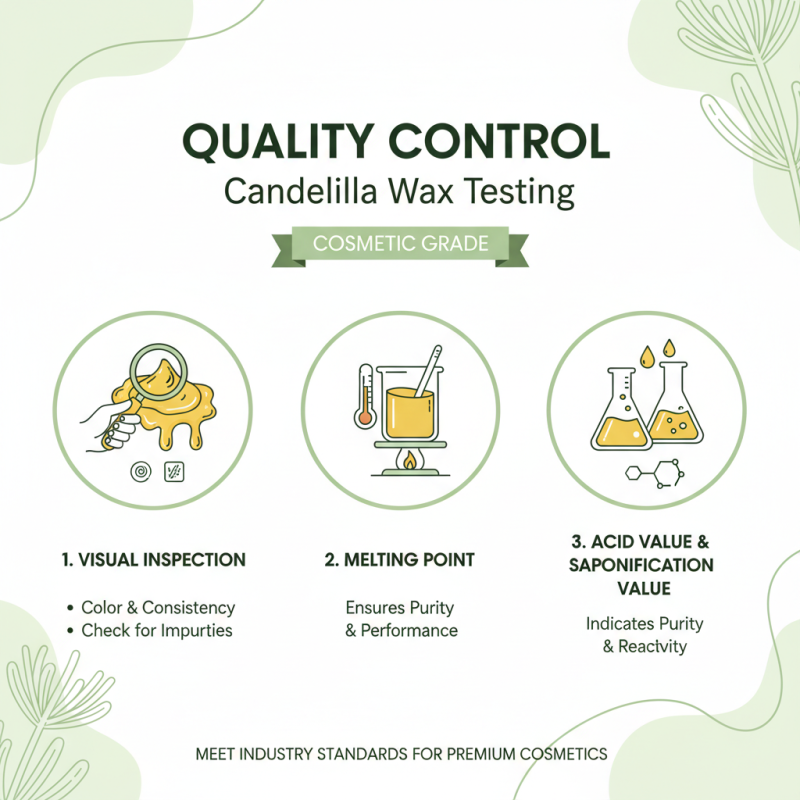
Quality control is essential for sourcing high-quality cosmetic grade candelilla wax. This natural wax, derived from the candelilla plant, has unique properties that enhance cosmetic formulations. Effective testing methods can ensure that the wax meets industry standards. Visual inspection is often the first step. Evaluating color and consistency can reveal potential impurities.
Chemical analysis is crucial in quality control. Testing for heavy metals and contaminants helps to guarantee safety and compliance. Additionally, assessing the melt point and hardness provides insights into the wax's suitability for various applications. The refinements in sourcing Organic Candelilla Wax should focus on ensuring traceability and ethical sourcing practices. Often, producers must reflect on whether their suppliers meet these stringent criteria.
Microscopic examination can uncover hidden issues. This method helps identify structural integrity and purity. Understanding the importance of testing will lead to better decision-making. Manufacturers should occasionally revisit their testing protocols. Keeping processes updated is key to ensuring high quality. After all, even minor flaws in candelilla wax can impact product performance and safety.
Packaging and Storage Considerations for Candelilla Wax
When sourcing high-quality cosmetic grade Candelilla wax, proper packaging and storage are critical. Candelilla wax is sensitive to temperature and humidity. Therefore, effective storage solutions are necessary to maintain its quality. Using airtight containers can prevent moisture absorption. This is essential for preserving the wax’s natural properties. Consider using glass or high-quality plastic containers with tight seals.
Maintaining the right temperature is also important for Candelilla wax. Ideal storage conditions are cool and dry environments. High heat can cause the wax to degrade. This may impact its efficacy in cosmetic formulations. Ensure the storage area is away from direct sunlight. This prevents the wax from melting or losing its beneficial properties.
Additionally, consider labeling your containers clearly. Include the date of procurement and batch number. This helps in tracking the age and quality of the Certified Organic Candelilla Wax. Over time, the wax may develop an off smell or discoloration. Regular checks can prevent using compromised wax in formulations. Always prioritize quality and reliability in your storage approach.
How to Source High Quality Cosmetic Grade Candelilla Wax? - Packaging and Storage Considerations for Candelilla Wax
| Criteria | Details |
| Source Quality |
100% plant-based, sustainable harvesting from Candelilla plants |
| Grade | Cosmetic grade, suitable for Skin care and cosmetic applications |
| Appearance | Light yellow to brownish color, free from contaminants |
| Packaging | Airtight containers preferred to prevent moisture absorption |
| Storage Conditions | Store in a cool, dry place away from direct sunlight |
| Shelf Life | Up to 2 years if stored properly |
| Usage Rate | Typically used at 2-5% in formulations |
Regulatory Standards and Certifications for Cosmetic Ingredients
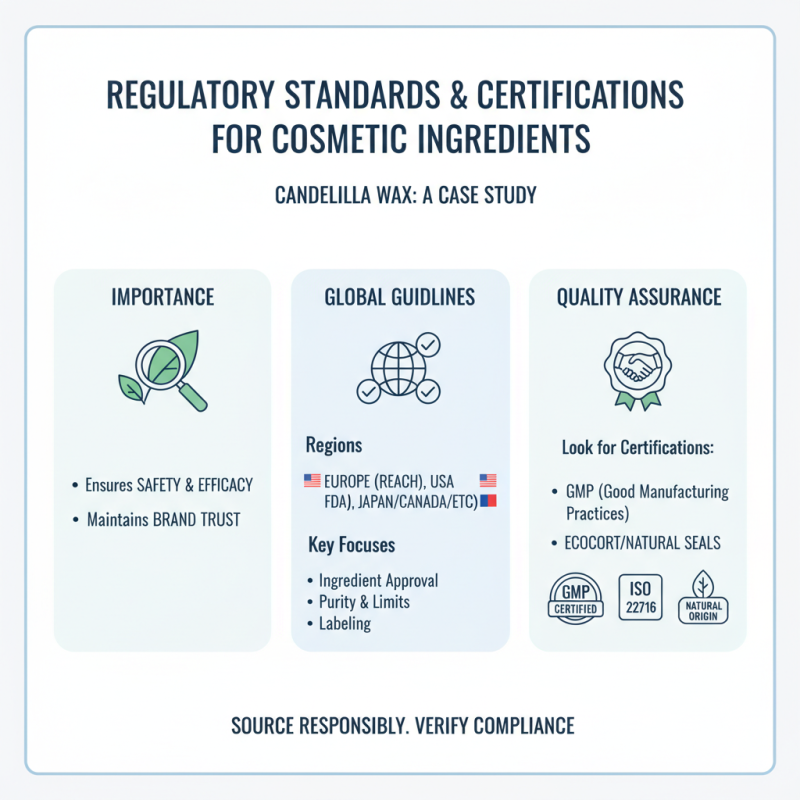
When sourcing cosmetic grade candelilla wax, understanding regulatory standards is vital. Different regions have various guidelines. Brands must ensure compliance to maintain safety and efficacy. Certifications can be a sign of quality. Look for seals that prove adherence to good manufacturing practices.
Certifications like ISO or Ecocert can enhance consumer trust. They often indicate rigorous testing and transparency in sourcing. However, these certifications can sometimes be complex. Not every supplier can provide them. It’s essential to verify the claims made by suppliers.
Quality isn’t just about certifications. Sourcing practices play a crucial role. Ethical sourcing can impact product perception. Some suppliers may not disclose their practices clearly. Buyers should conduct their due diligence. Question suppliers about their ingredient sourcing process and the sustainability of their operations. This is an evolving field, requiring continuous learning and adjustment.
Harnessing the Power of PVP: Revolutionizing Modern Cosmetic Formulations with Versatile Ingredients
Harnessing the Power of PVP: Revolutionizing Modern Cosmetic Formulations with Versatile Ingredients
In the ever-evolving landscape of cosmetic formulations, PVP (Polyvinylpyrrolidone) has emerged as a game-changing ingredient, offering a plethora of benefits that cater to a wide range of cosmetic applications. This versatile polymer, characterized by its white to off-white powder form and bland odor, plays a crucial role in enhancing the performance and aesthetic qualities of beauty products. With a CAS No. of 9003-39-8, PVP's remarkable solubility in water and various alcoholic solvents, including ethanol and glycerin, allows for seamless incorporation into formulations, ensuring optimal texture and stability.
PVP's solubility properties make it an ideal choice for several cosmetic applications, from hair care to skincare. As a film-forming agent, it provides excellent hold in styling products, allowing for long-lasting hairstyles without compromising flexibility. Additionally, its ability to form lightweight films on the skin or hair enhances the sensory experience of creams, lotions, and gels, creating a luxurious feel that users seek. Furthermore, its incompatibility with oils and hydrocarbons makes it particularly suitable for formulations aiming to achieve specific texture profiles while maintaining product stability. This unique combination of properties reinforces PVP's position as a cornerstone ingredient in modern cosmetic chemistry, revolutionizing how consumers experience beauty.
FAQS
: Candelilla wax creates a protective barrier, ideal for moisturizing products. It helps hydrate and gives a smooth finish.
Check for purity and certifications. Inspect color and texture; a pale yellow hue indicates high quality.
Not always. Some people may experience skin sensitivity. Conduct patch tests before using new products.
The main regions are Mexico and the southwestern United States. Traditional harvesting methods are commonly used there.
Unsustainable harvesting can harm habitats. Ethical sourcing protects the environment and supports local communities.
Choose suppliers that prioritize sustainability and engage with local communities. Transparency is key for ethical sourcing.
No, you may find inconsistencies. Testing samples and establishing relationships with suppliers can ensure quality.
Ethical practices and sustainable sourcing can increase costs. A lower price might compromise quality and environmental impact.
Visiting harvesting locations can help. Ask about extraction techniques and their commitment to sustainability.
Yes, consider the ecological effects of your purchases. Supporting sustainable practices can lead to broader positive change.
Conclusion
This article explores the essential aspects of sourcing high-quality Cosmetic Grade Candelilla Wax, which is widely used in the cosmetic industry due to its emulsifying and thickening properties. It begins with an understanding of Candelilla Wax and its various cosmetic applications, emphasizing the importance of identifying the key characteristics that signify high quality.
The sourcing process is highlighted, including key suppliers and locations known for producing top-grade wax. Furthermore, the article addresses sustainability and ethical sourcing practices to ensure that products are not only effective but also responsibly obtained. Quality control measures, including testing methods specific to Cosmetic Grade Candelilla Wax, are discussed, alongside considerations for packaging and storage. Lastly, it outlines the relevant regulatory standards and certifications necessary for cosmetic ingredients, ensuring that consumers can trust the products they use.